Creating Through Change: Art Journaling for Healing

Art journaling is more than just a creative outlet; it is a powerful tool for healing and self-discovery. In times of change, whether personal or societal, art journaling can provide a safe space to explore emotions, reflect on experiences, and foster resilience. This blog post will delve into the transformative power of art journaling, offering practical tips and insights to help you embark on your own healing journey.

Understanding Art Journaling
Art journaling combines visual art and writing to create a personal narrative. It allows individuals to express their thoughts and feelings in a non-linear way, making it an ideal practice for those navigating change. Unlike traditional journaling, which often focuses solely on text, art journaling encourages the use of colors, shapes, and images to convey emotions.
Benefits of Art Journaling
Emotional Expression
Art journaling provides a unique way to express feelings that may be difficult to articulate. Through colors and images, you can convey joy, sadness, anger, or confusion.
Stress Relief
Engaging in creative activities has been shown to reduce stress levels. The act of creating can be meditative, allowing you to focus on the present moment.
Self-Discovery
As you explore different artistic techniques and themes, you may uncover insights about yourself. This process can lead to greater self-awareness and personal growth.
Resilience Building
Art journaling can help you process difficult experiences, fostering resilience. By reflecting on challenges and documenting your journey, you can develop a stronger sense of self.
Getting Started with Art Journaling
Starting an art journal can feel daunting, but it doesn't have to be. Here are some practical steps to help you begin your journey:
Choose Your Journal
Select a journal that resonates with you. It can be a simple sketchbook, a bound notebook, or even a digital platform. The key is to find a space that feels inviting and personal.
Gather Your Supplies
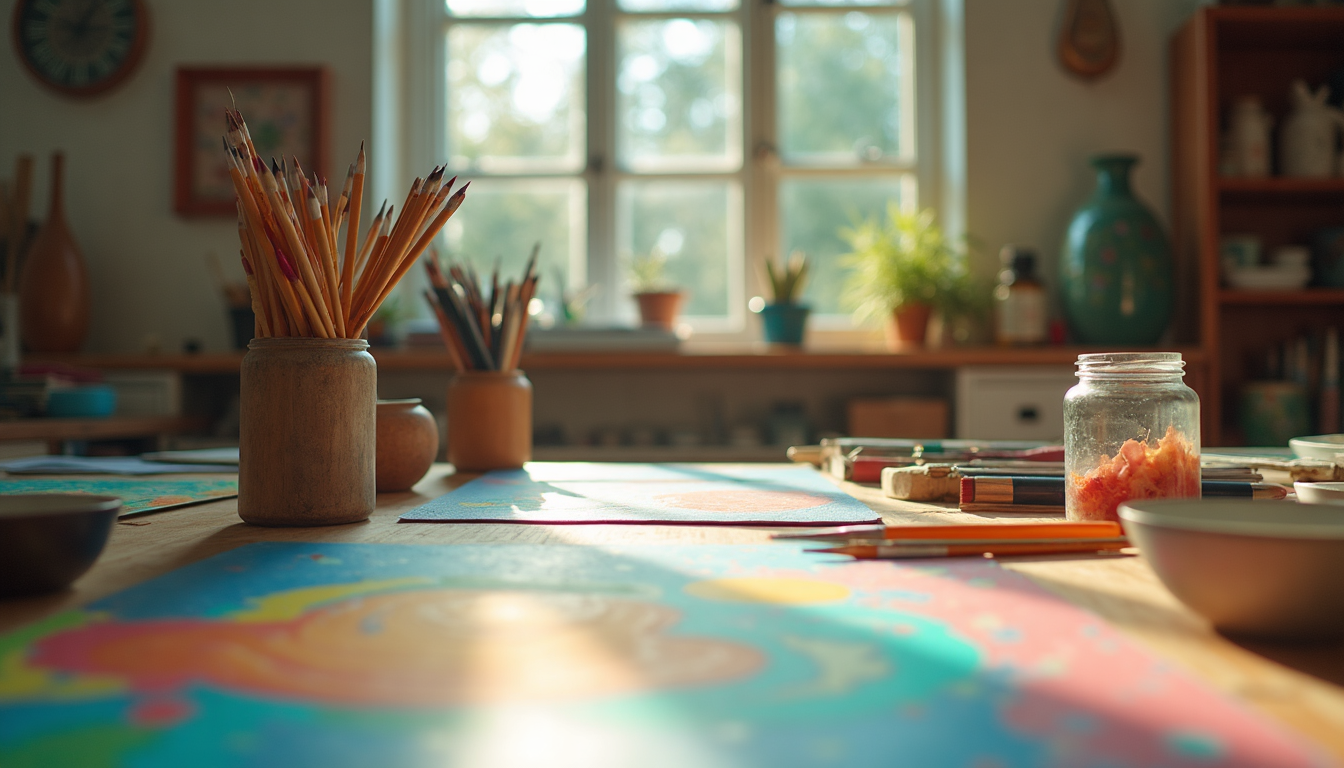
You don't need expensive materials to start art journaling. Here are some basic supplies to consider:
Pencils and Pens: For sketching and writing.
Watercolors or Acrylics: For adding color.
Collage Materials: Old magazines, newspapers, or printed images.
Stickers and Stamps: To enhance your pages.
Glue and Scissors: For assembling your creations.
Set the Mood
Create a comfortable environment for your art journaling practice. Find a quiet space where you can focus without distractions. Consider playing soft music or lighting a candle to enhance the atmosphere.
Techniques for Art Journaling
Once you have your supplies and space ready, it's time to explore different techniques. Here are some ideas to inspire your creativity:
Free Writing
Start each session with a few minutes of free writing. Let your thoughts flow onto the page without worrying about grammar or structure. This can help clear your mind and set the tone for your artistic expression.
Collage
Use images and text from magazines to create collages that represent your feelings or experiences. This technique allows for visual storytelling and can be a powerful way to process emotions.
Doodling and Sketching
Incorporate doodles or sketches into your journal. These can be abstract shapes, patterns, or simple drawings that reflect your mood. Don't worry about artistic skill; focus on the process rather than the outcome.
Color Exploration
Experiment with colors to express different emotions. For example, use warm colors like red and orange for feelings of excitement or cool colors like blue and green for calmness. Allow your intuition to guide your color choices.
Themes for Reflection
Art journaling can be particularly effective when focused on specific themes. Here are some ideas to consider:
Navigating Change
Reflect on a recent change in your life. Use your journal to explore your feelings about this transition. What challenges have you faced? What opportunities have arisen? Document your journey through art and writing.
Gratitude
Create pages dedicated to gratitude. List things you are thankful for and illustrate them with drawings or collages. This practice can shift your perspective and foster positivity.
Self-Compassion
Use your journal to practice self-compassion. Write affirmations or positive statements about yourself. Illustrate these with images that represent self-love and acceptance.
Future Aspirations
Visualize your future by creating a vision board within your journal. Include images and words that represent your goals and dreams. This can serve as a motivational tool as you navigate change.
Overcoming Creative Blocks
It's common to experience creative blocks while journaling. Here are some strategies to overcome them:
Set Time Limits
Give yourself a specific amount of time to create without judgment. This can help alleviate pressure and encourage spontaneity.
Try New Techniques
If you're feeling stuck, experiment with a new technique or medium. This can reignite your creativity and inspire fresh ideas.
Take Breaks
Sometimes, stepping away from your journal can provide clarity. Take breaks to recharge and return with a renewed perspective.
Sharing Your Journey
While art journaling is often a personal practice, sharing your journey can foster connection and support. Consider joining a local art group or online community where you can share your work and experiences. This can provide encouragement and inspiration from others on similar paths.
The Power of Community
Engaging with others who practice art journaling can enhance your experience. Here are some benefits of community involvement:
Feedback and Support: Sharing your work can lead to constructive feedback and encouragement.
Inspiration: Seeing others' creations can spark new ideas and techniques.
Connection: Building relationships with fellow artists can provide a sense of belonging.
Conclusion
Art journaling is a powerful tool for healing and self-discovery, especially during times of change. By embracing this creative practice, you can explore your emotions, foster resilience, and gain insights into your journey. Remember, there is no right or wrong way to art journal; the most important aspect is to enjoy the process and allow yourself to create freely.
As you embark on your art journaling journey, consider setting aside regular time for this practice. Whether it's a few minutes each day or a longer session once a week, consistency can enhance the benefits of art journaling. Embrace the changes in your life, and let your art journal be a canvas for your healing journey.

Comments